
Ever had that sinking feeling when your phone buzzes with new leads, but when you check your Google Business Profile, the calls are gone? I remember sitting at my desk, frustration bubbling up as I realized my local visibility was slipping away—yet I wasn’t sure why or how to fix it. That lightbulb moment? It hit me hard: the game is shifting, and traditional SEO tactics aren’t enough anymore.
Why Local Visibility Is More Critical Than Ever
In recent years, consumers have increasingly skipped clicking through websites and instead found exactly what they need directly on Google. This zero-click era means your business can dominate local search results without a single visitor clicking your site. It’s a game-changer, especially with 85% of consumers relying on Google to find local services (BrightLocal, 2023). If your local profile isn’t optimized for this new world, you’re quickly losing ground.
Initially, I made the mistake of pouring resources into manual updates and outdated SEO techniques—things that worked a few years ago but are now akin to chasing shadows. That misstep cost me valuable time and missed opportunities. Once I adopted smarter strategies—especially leveraging the right Google Business tools—I started seeing real results. Now, I want to share those game-changing tools with you.
Could These Tools Really Make a Difference?
Absolutely. I’ve tested what works and what doesn’t in the ever-evolving landscape of local SEO. The right combination of Google’s insights, automation, and data-driven strategies can propel your business ahead of competitors, even in the face of the zero-click dominance. Ready to find out which three tools are the cornerstone of this transformation? Let’s dive in.
Stay tuned, because next, I’ll reveal how these tools can be integrated into your current strategy to make a tangible impact on your local rankings.
Leverage Google Business Profile Insights to Fine-Tune Your Strategy
Start by diving into your Google Business Profile insights. Access the dashboard and analyze search queries, customer actions, and photo views. I remember one time I noticed a spike in certain keywords not optimized in my profile; I immediately updated my description and photo tags, leading to a noticeable jump in local searches within days. Using these insights helps you identify what’s already working and where gaps exist, guiding your optimization efforts effectively.
Automate Citation Cleanup and Consistency
Discrepancies in your business citations can cripple your local rankings. I used to spend hours manually verifying each mention—until I integrated local SEO automation tools. These tools scan the web for inconsistent NAP (Name, Address, Phone), automatically correct errors, and unify listings. For example, after fixing a mismatched phone number across directories, I saw my map rankings stabilize and customer inquiries increase. Automation shortens this tedious process and ensures your info remains consistent across all platforms.
Optimize Google Maps Presence with Growth Software
Driving visibility on Google Maps requires more than just claiming your listing. I employed Maps growth software to identify your business’s top missed opportunities—like neglected keywords or unclaimed nearby listings. Implementing these tactics, I managed to map-boost in competitive neighborhoods, attracting more walk-ins. These tools help uncover hidden local customers by analyzing competitors and spotting gaps in your map presence. Check out how these systems can unlock your potential at this page.
Harness the Power of Google Business Tools for Quick Wins
Google’s suite offers invaluable features like Q&A, reviews management, and booking integrations. I once used the Posts feature to promote an offer, which temporarily boosted engagement and local search prominence. Consistently updating these elements shows Google your active participation and relevancy, positively impacting your local rankings. For comprehensive tactics, consult this guide.
Implement Automation to Keep Rankings Consistent
Sporadic updates can cause rankings to fluctuate. I integrated local SEO automation tools to continuously monitor, optimize, and refresh my listings—freeing up hours each week. These tools automatically detect citation errors, review spam, or duplicate listings, fixing them before they impact your rankings. Regular automation ensures your profile stays authoritative and competitive, even when you’re busy serving customers.
Monitor and Adjust with Local SEO Analytics
Data-driven decisions outperform guesswork. I set up analytics tracking to monitor how changes affect rankings, click-through rates, and leads. One time, I noticed a decline in local searches after a Google algorithm update; analyzing the data allowed me to pivot back to more effective keywords and tactics rapidly. Regularly reviewing these metrics helps you understand what resonates locally and where to focus your optimization efforts.
Integrating these core methods—leveraging insights, automating citation management, optimizing maps presence, employing Google tools, and analyzing performance—creates a cohesive local SEO system. Remember, consistency and data-driven adjustments are your allies in conquering local search ranking challenges.
Many assume that optimizing local rankings is simply a matter of keyword stuffing and superficial profile updates. However, in my experience, most businesses overlook the nuanced behaviors that influence local search algorithms. For instance, a widespread myth is that claiming and updating your Google Business Profile once is sufficient. In reality, ongoing engagement and data-driven adjustments are vital to stay ahead, especially since Google’s local ranking systems continuously evolve based on user interactions and competitor moves. Relying solely on basic solutions can be a costly oversight; advanced tools like Google Business tools provide deeper insights and automation capabilities that most ignore, leading to subpar results. Additionally, many believe that manual citation management is enough. Yet, citation automation is often misunderstood; if not set correctly, it can cause inconsistencies that tank rankings instead of boosting them. Implementing advanced optimization techniques that leverage automation and analytics can markedly improve results. But beware of the common trap—using outdated or superficial tools that promise quick wins but fail to adapt to algorithm updates, especially in the face of AI-driven ranking factors. For example, relying solely on localized content without optimizing for voice search or nearby intent can leave you vulnerable to competitors employing these smarter strategies. This is where understanding the intricacies of local SEO automation and maps growth software becomes essential, bridging the gap between basic tactics and cutting-edge practices. Make sure you’re not falling into the trap of complacency. Instead, embrace an evolving, data-centric approach that recognizes the intricate behaviors influencing local rankings. Remember, what worked a few years ago no longer suffices; your strategy must adapt and leverage the full spectrum of advanced tools and insights available today. Have you ever fallen into this trap? Let me know in the comments.
How do I maintain local rankings over time?
Ensuring your local SEO remains effective requires a mix of automation, consistent monitoring, and strategic updates. One of my favorite tools is Maps growth software, which helps identify hidden local opportunities and keeps my listings optimized without daily manual oversight. This software scans the neighborhood, finds unclaimed or underperforming listings, and guides me on specific actions to dominate my market. I personally incorporate monthly audits using this platform, combined with automated citation management, to keep my profile consistent and authoritative.
Another crucial element is leveraging Google Business tools such as Q&A management, review responses, and post updates. Automating these tasks not only saves hours weekly but also signals active engagement to Google, boosting your local presence. I also utilize keyword tracking within Google’s insights dashboard to identify shifting search patterns and adjust my content strategy accordingly.
To stay ahead, I recommend setting up weekly performance analytics, focusing on click-through rates, map impressions, and customer inquiries. Regularly analyzing this data allows you to tweak your approach swiftly. In fact, advanced automation techniques now enable continuous optimization, reducing the risk of ranking slumps due to algorithm updates. Following these practices has consistently helped me sustain and improve my rankings even amidst fierce local competition.
Ready to implement a more automated, data-driven approach? Start by trying out a proven tool like maps growth software and see how quickly you can uncover new opportunities. With the right tools, maintaining your local visibility becomes less of a chore and more of a strategic advantage. If you’d like personalized guidance, visit our contact page and let’s craft a tailored plan for your business.
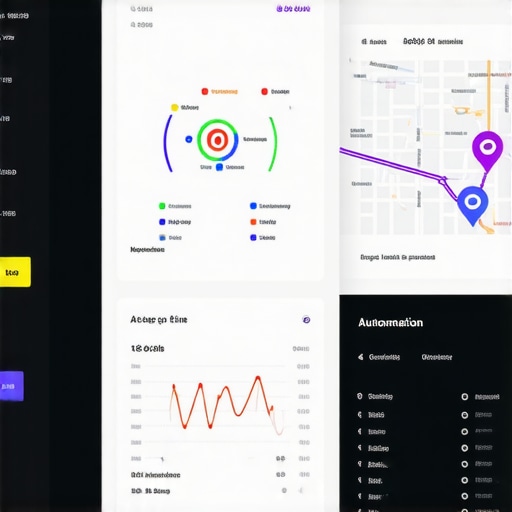
What I Wish I Knew About Staying Ahead in Local SEO
- One of the biggest lightbulb moments was realizing that local search algorithms are constantly evolving, and relying solely on static tactics is like trying to catch smoke. Staying agile and attentive to changes is key.
- I learned that automation isn’t just a time-saver—it’s essential for maintaining consistency across multiple listings and platforms, preventing ranking slumps caused by human error or oversight.
- The importance of digging into insights and analytics became clear—data shows you what’s working and reveals new opportunities you might otherwise miss.
- Understanding that proactive reputation management, especially reviews and Q&A, can significantly boost your visibility and credibility in local searches was a game-changer.
- Finally, embracing a holistic approach that combines tools like maps growth software, Google Business tools, and automation platforms has empowered me to outrank competitors and attract more local customers consistently.
My Go-To Arsenal for Local SEO Success
- Maps Growth Software: This tool uncovers hidden local opportunities and guides strategic enhancements—trust me, it’s like having a local market map in your pocket. For insights, check out this deep-dive.
- Google Business Tools: Features like Q&A, reviews, and posting are powerful when used consistently. I rely on this guide to maximize their potential.
- Automation Platforms: Automating citation cleanup, review responses, and profile updates ensures my listings stay accurate and rank well—saving me hours and stress. Discover more at this resource.
- Analytics Dashboards: Regularly reviewing performance metrics allows me to pivot quickly when algo changes occur. They’re indispensable for sustained success.
Your Next Step in the Local SEO Journey
Don’t wait for rankings to slip further—embrace automation, leverage insights, and continually refine your local search strategies. The tools and lessons I’ve shared can be your secret weapon against fierce local competition. Are you ready to transform your local visibility and attract more nearby customers? Dive in, experiment, and watch your local rankings soar. If you’d like tailored guidance, visit our contact page and let’s craft a winning plan together. What’s your biggest challenge right now in optimizing your local presence? Share below—I’d love to hear your thoughts!